
How Playing Musical Instruments Affects Your Child’s Health and Teeth
Learning to play a musical instrument is highly beneficial for children — supporting creativity, discipline, and cognitive development. However, certain instruments, especially wind and brass, can also have an impact on oral and physical health if not used correctly. At Yakubiv Dental Clinic, we focus on helping parents understand both the benefits and the potential effects on a child’s teeth and overall wellbeing.
How Playing Musical Instruments Affects Your Child’s Health and Teeth
Learning to play a musical instrument supports creativity, discipline, and cognitive development. However, certain instruments — especially wind and brass — can also influence oral and physical health if not used correctly.
Playing an instrument can improve concentration, coordination, and emotional balance, while also supporting memory and learning ability. At the same time, continuous pressure on the lips, teeth, and jaw may lead to minor changes over time, particularly during growth.
Some children may experience pressure on teeth, gum sensitivity, or dry mouth due to prolonged airflow. Instruments that are not properly cleaned or are shared can also increase exposure to bacteria.
In addition, repetitive movements and posture during practice may cause mild muscle fatigue, jaw tension, or discomfort if not managed properly.
With the right habits, these effects can be minimized. It is important to maintain good oral hygiene, avoid sharing instruments, clean mouthpieces regularly, and ensure regular dental check-ups to monitor development.
Playing a musical instrument remains a valuable and enriching activity for children. With proper care and awareness, it can be enjoyed safely while maintaining both oral health and overall wellbeing.
Chronic Dermatitis
Skin irritation can happen easily for people who play instruments. Depending on the material that the instrument is made out of and sensitiveness of your skin, you may or may not experience skin irritation. A skin infection might develop around the mouth and lips if you play a used instrument. Bacterias can grow if a used instrument goes unsanitized. For this reason, it is important for your children to refrain from sharing your wind instrument with others.
Cramp or Loss of Muscle Control
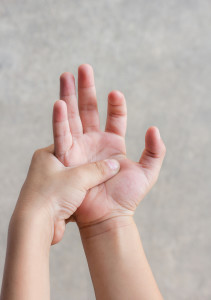
For musicians, muscle cramping often happens in the hand and is caused by overuse. This is a condition that is much more likely to happen in professional musicians than beginners. To read about Musician’s Cramp more, check out this article.
(Instruments Affected: Woodwinds, Brass, Strings)
Cutting of the Gums
When a wind instrument is played, a musician must do what is called an embouchure. An embouchure is the use of lips and facial muscles to apply pressure to the mouthpiece in a way that will successfully transfer air. Sometimes this requires a lot of pressure, and if too much is applied, it can cause minor cuts on the gums from teeth.
(Instruments Affected: Woodwinds, Brass)
Dry Mouth
Wind instruments require a great deal of breath support and control. Sometimes musicians find that their mouths are unusually dry which can be both uncomfortable and unhealthy.
(Instruments Affected: Woodwinds, Brass)
Fracturing Teeth Cusps
A tooth cusp is the biting surface of the posterior teeth and canines. As mentioned before, the pressure needed to do a proper embouchure can cause slight fracturing in the cusps of some teeth.
(Instruments Affected: Woodwinds)
Shifting of Teeth
If hard pressure is put on your teeth for a long amount of time, they can begin to shift. A great example of this is when someone gets braces at the orthodontist. But it can also happen if you play a wind instrument regularly. An embouchure can cause certain teeth to shift.
(Instruments Affected: Woodwinds, Brass)
Soft Tissue Damage
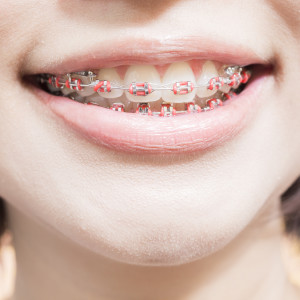
If you have braces and play a woodwind or brass instrument, you may get ulcers or canker sores from the metal irritation. Try talking to your dentist or orthodontist about using wax to guard your gums from the braces.
(Instruments Affected: Woodwinds, Brass)
Neck or Shoulder Pain
Musicians often tilt their head while playing, which can cause soreness in the neck if the position is held for a long amount of time. If your shoulders are in pain, it is most likely from the position you are playing in. Try to adjust your positioning to relieve any pain. Doing stretches or warm-ups before playing may also help.
(Instruments Affected: Woodwinds, Brass, Strings)
TMJ Syndrome
TMJ (temporomandibular joint dysfunction) can be caused by woodwind or brass instrument players. For the most part, this will depend on how you are holding and playing your instrument, as well as how long you are playing. If you are just practicing, don’t spend longer than 3 hours playing in order to avoid TMJ.
(Instruments Affected: Woodwinds, Brass)
We want to encourage musicians who use their talents either as a hobby or as a profession! It is important to keep these health conditions in mind as you continue to play.
Do you play an instrument regularly? If so, what are some tips you have to stay healthy? We’d love to hear your thoughts in the comment box below.






 English
  Greek
Greek  Russian